5 Aug 2026
Tracing Regulatory Adaptations in Progressive Prize Networks Across European Mobile Platforms and Their Ties to Loyalty Tier Advancements
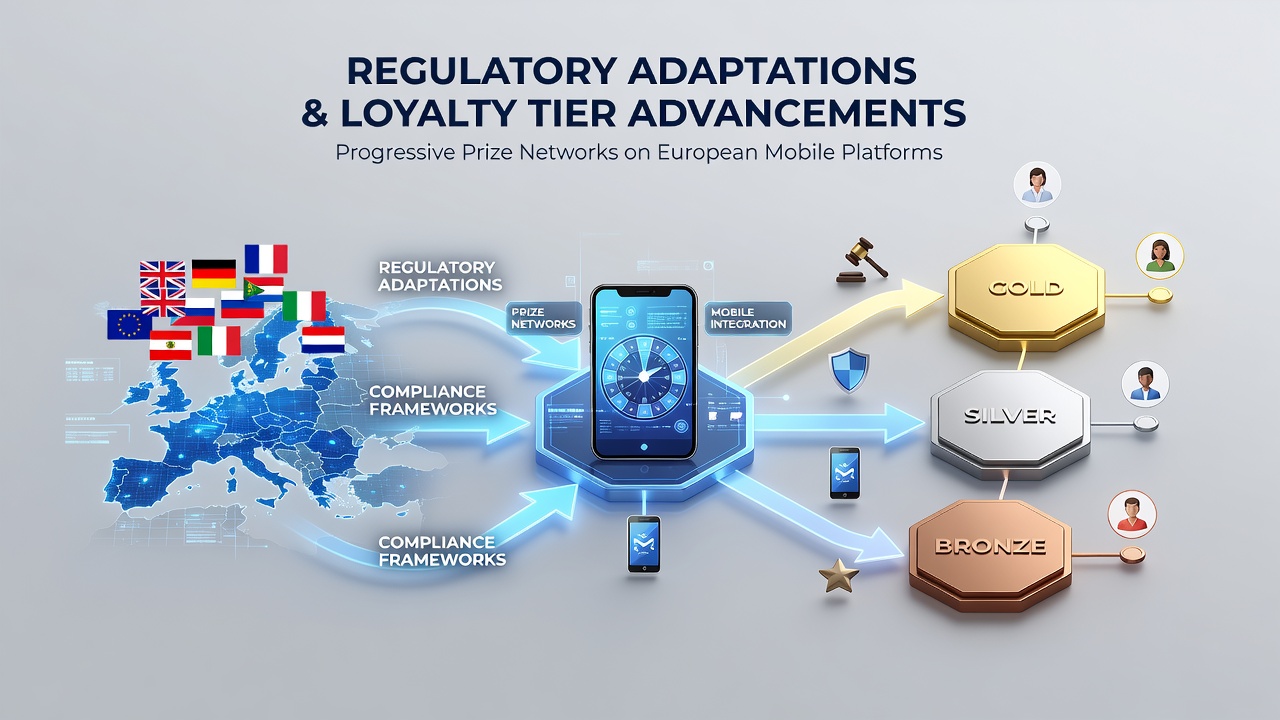
Regulatory frameworks across Europe have continued to evolve in response to the expansion of progressive prize networks on mobile platforms, with adjustments focusing on how shared jackpot contributions integrate with player loyalty programs. These networks pool stakes from multiple operators into growing prize pools that players access through mobile applications, while loyalty tiers determine eligibility for enhanced contribution rates or exclusive jackpot access. Data from the European Gaming and Betting Association indicates that mobile progressive systems accounted for a significant share of cross-border gambling activity in 2025, prompting national regulators to refine rules on transparency and fund allocation.
Core Mechanics of Progressive Prize Networks on Mobile Platforms
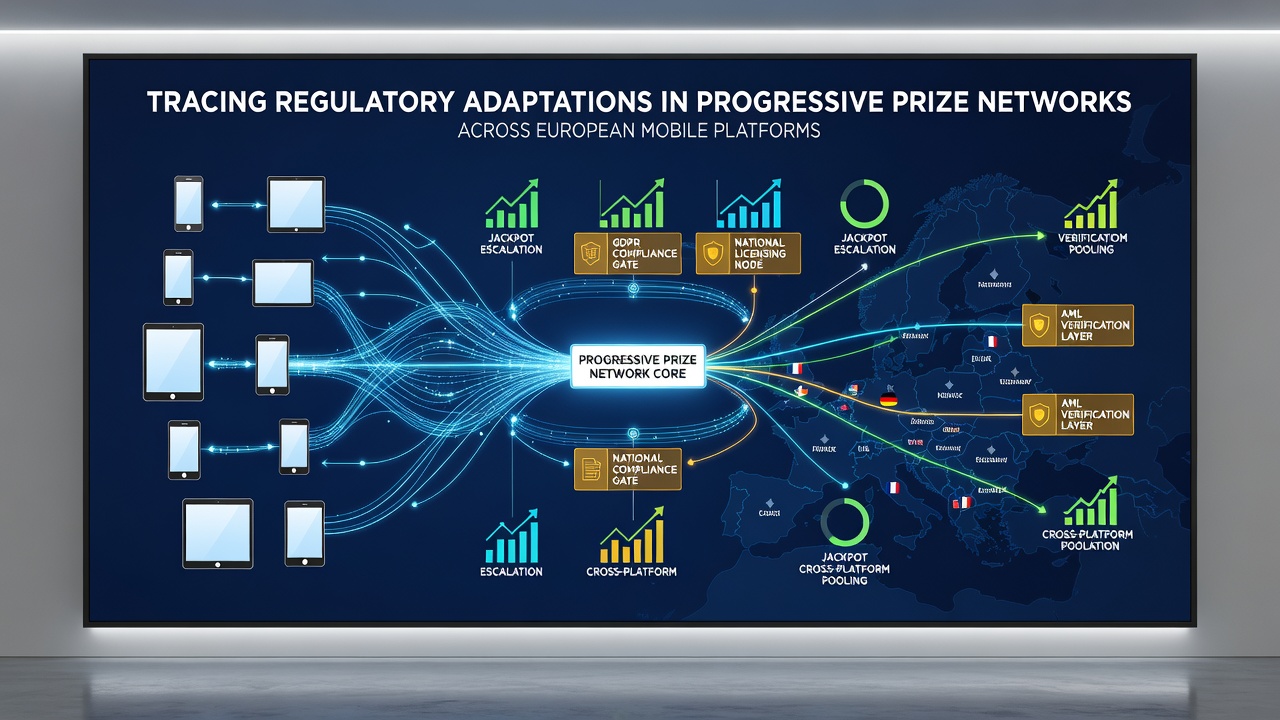
Progressive prize networks operate by aggregating a percentage of each wager across connected mobile slots and table games, creating escalating jackpots that reset after payouts and build again through ongoing play. European operators must comply with technical standards that require real-time reporting of contribution rates to oversight bodies, ensuring that mobile platforms maintain audit trails for every transaction feeding into the prize pool. Researchers at several academic institutions have documented how these systems link directly to loyalty tier advancements, where higher player status unlocks accelerated contribution percentages or priority entry into network-wide draws.
Regulatory Changes Taking Shape in 2026
By August 2026 several EU member states plan to implement updated guidelines that tie progressive network participation to verified loyalty program structures. These measures require operators to disclose how tier progression influences jackpot eligibility and to maintain separate accounting for funds allocated to mobile versus desktop channels. Observers note that such adaptations address concerns over equitable distribution, since mobile users in lower loyalty tiers previously faced restrictions on accessing the largest progressive pools despite contributing to them through standard play.
Authorities in Malta and other licensing jurisdictions have introduced mandatory integration protocols that synchronize loyalty database records with progressive network software. This allows regulators to verify that tier advancements result from consistent activity rather than promotional incentives alone, reducing opportunities for artificial inflation of player status. Figures from industry reports show that compliance costs for these technical linkages rose notably in 2025, leading platforms to consolidate their mobile progressive offerings under fewer, more tightly controlled networks.
Links Between Loyalty Tiers and Jackpot Participation Rules
Loyalty tier advancements now serve as gatekeepers for certain progressive prize features on European mobile platforms. Players reaching mid-level tiers gain access to enhanced seed contributions or multiplier bonuses on network jackpots, while top tiers receive guaranteed minimum payouts in case of shared wins. Regulatory adaptations have focused on capping the differential between tiers to prevent excessive concentration of prize opportunities among a small segment of high-status users.
Studies compiled by research groups affiliated with the Organisation for Economic Co-operation and Development highlight how these tier-based rules intersect with mobile-specific requirements such as session time limits and deposit verification. Platforms must now demonstrate that loyalty progression algorithms do not inadvertently favor rapid, high-volume play patterns that could conflict with responsible gambling thresholds embedded in progressive network protocols.
Cross-Border Compliance and Technical Standards
Because progressive prize networks often span multiple European countries, regulators have worked toward harmonized reporting formats that track loyalty tier impacts on cross-border contributions. Mobile platforms must embed geo-location checks that adjust jackpot eligibility based on the player's licensing jurisdiction and corresponding tier rules. This approach emerged after earlier inconsistencies where users in one country could advance tiers through play that fed into networks governed by stricter rules elsewhere.
Industry associations have published guidelines encouraging standardized APIs that connect loyalty management systems directly to progressive network ledgers. These tools enable real-time verification that tier upgrades reflect genuine activity volumes rather than bonus-driven acceleration, aligning with the broader regulatory push for data integrity across mobile gambling ecosystems.
Conclusion
European regulatory adaptations continue to reshape how progressive prize networks function on mobile platforms by embedding loyalty tier advancements into compliance structures. These changes emphasize transparent contribution tracking, equitable access rules, and synchronized reporting that spans national boundaries. As implementation proceeds through 2026, platforms and regulators alike focus on maintaining network integrity while accommodating the distinct technical and operational demands of mobile environments.