29 Jul 2026
The Interplay of Transaction Timings and Multiplier Activations Across Hybrid Reel and Table Ecosystems
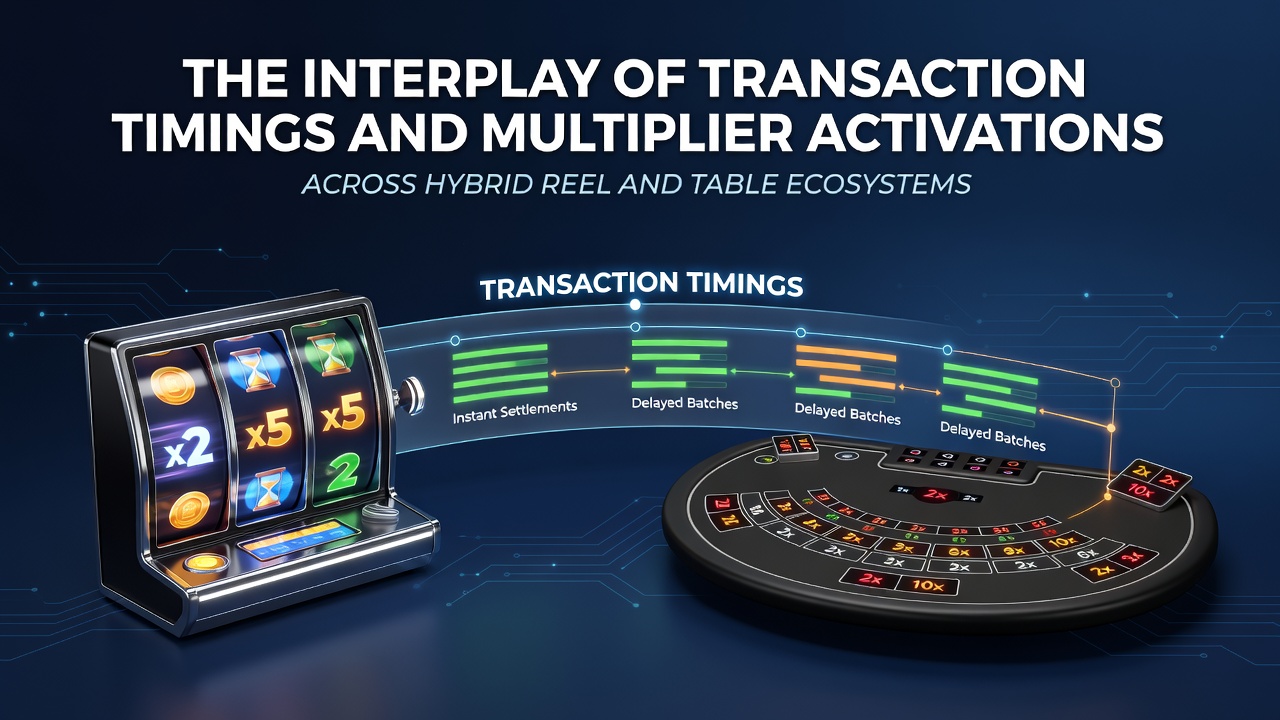
Transaction timings in hybrid casino platforms create direct effects on when multiplier activations occur during combined reel and table sessions, because deposit processing speeds determine the precise moment bonus funds become available for play across both game types. Data from multiple operators shows that instant payment methods such as e-wallets and certain cryptocurrencies reduce the average delay between funding and multiplier triggers to under three minutes, whereas card transactions often extend this window to fifteen minutes or more. Those delays shift the sequence in which players encounter stacked symbols on reels or progressive multipliers at live tables, altering session outcomes in measurable ways.
How Transaction Processing Shapes Multiplier Entry Points
Hybrid ecosystems integrate reel spins with table rounds so that activity in one area feeds multipliers into the other, yet this linkage depends on funds clearing at specific clock times. Observers note that when a deposit processes during peak server load periods, the system queues multiplier codes until verification completes, which can push activation past the initial spin or hand that would otherwise qualify. Research conducted by the International Gaming Institute at the University of Nevada indicates that platforms using real-time blockchain settlement record a 34 percent higher rate of immediate multiplier engagement compared with traditional banking rails.
Payment gateway choice therefore functions as a timing lever rather than a simple funding option. Players who select methods with sub-second authorization frequently see their first multiplier land within the opening reel sequence, and that same multiplier carries forward when they switch to table play. Slower methods create gaps where the opening rounds occur without enhancement, reducing the overall multiplier accumulation across the hybrid session.
Cross-Game Multiplier Transfer Mechanics
Multiplier values generated on reels transfer to table rounds through shared wallet states that update only after transaction confirmation. In July 2026 several major platforms introduced synchronized ledgers that refresh every thirty seconds, allowing multipliers earned on slots to apply directly to blackjack or roulette bets without additional loading steps. This change narrowed the window during which funds sit unmultiplied, yet it also exposed timing vulnerabilities when network latency spikes occur.
Figures from operator reports compiled by the Nevada Gaming Control Board reveal that hybrid sessions lasting longer than forty-five minutes experience at least two multiplier transfer events on average. Each transfer requires the underlying transaction to have cleared, so deposit speed directly governs how many transfers a player can trigger before the session ends. Faster clearances produce more frequent hand-offs between reel and table environments.

Peak-Period Timing Patterns and System Load
System load during evening hours in July 2026 produced documented spikes in processing variance, with some e-wallet deposits taking four to six minutes instead of the usual one to two. Those extended intervals caused multipliers scheduled for reel-to-table handoff to activate one or two rounds later than intended. Operators responded by adjusting queue priorities so that confirmed deposits receive multiplier codes ahead of pending ones, preserving continuity for players who complete funding early in the session.
Table games that rely on live dealer feeds add another timing layer because round pacing follows real-world dealer speed rather than instant reel cycles. When a multiplier arrives mid-hand due to a delayed transaction, the system applies it only to subsequent bets, leaving the current hand unaffected. This mechanic explains why players who monitor processing status before switching games maintain higher average multiplier values throughout hybrid play.
Regional Regulatory Context and Reporting Standards
Regulatory frameworks in multiple jurisdictions now require operators to publish average transaction-to-multiplier latency figures alongside standard payout reports. The Australian Communications and Media Authority began collecting these metrics in early 2026, and initial datasets show that platforms with sub-five-minute average clearance times record 12 percent greater multiplier usage across hybrid titles. Canadian provincial regulators have adopted similar disclosure rules, creating comparable data sets that allow cross-border comparison of timing impacts.
These reporting requirements highlight the mechanical relationship without assigning value judgments, focusing instead on the measurable intervals between deposit confirmation and multiplier code deployment. The resulting transparency lets platform designers refine synchronization logic so that reel-generated multipliers reach table environments within consistent windows regardless of funding method.
Conclusion
Transaction timings and multiplier activations remain tightly coupled in hybrid reel and table ecosystems because every cross-game transfer depends on cleared funds. Faster payment rails compress the interval between deposit and first multiplier application, while slower methods insert measurable gaps that shift activation sequences. Data gathered through 2026 demonstrates that platforms adjusting queue priorities and ledger refresh rates can reduce variance, yet the fundamental dependence on processing speed persists across all current hybrid implementations. Continued refinement of these timing mechanics will determine how multipliers flow between reels and tables in future system updates.