27 Jul 2026
Mapping Reel Symbol Frequencies to Loyalty Tier Accelerations Across Multi-Device Platforms
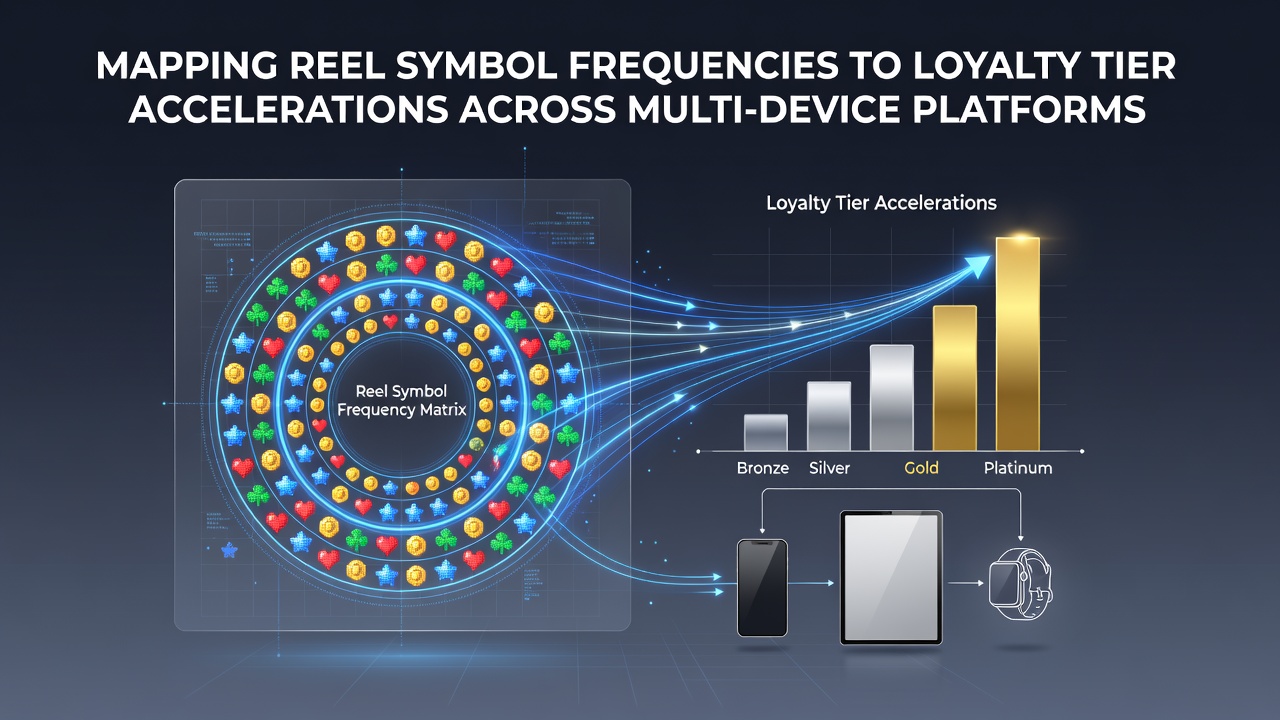
Slot platforms track reel symbol frequencies as core data points that feed into loyalty acceleration systems, where hit rates on specific icons determine how quickly players advance through tier structures on desktop, tablet, and mobile environments. Operators collect these frequencies from random number generator outputs, then align them with engagement metrics such as session length and bet volume to adjust progression speeds automatically across devices.
Core Mechanics of Symbol Frequency Tracking
Reel configurations assign weighted probabilities to symbols, and platforms log every outcome to identify patterns that correlate with player retention signals. Researchers at the University of Nevada, Las Vegas documented how high-frequency low-value symbols contribute steady progress toward loyalty milestones, while rarer high-value symbols trigger larger jumps when they appear during peak activity windows. Data from multi-device sessions shows that mobile interfaces often register slightly different frequency distributions because touch-screen input timing affects spin initiation rates compared with mouse or keyboard controls on larger screens.
Algorithms map these frequencies directly to tier multipliers. A sequence where wild symbols appear at a 4.2 percent rate might accelerate a player from base tier to silver status after 180 spins on desktop, whereas the same frequency on tablet could require only 165 spins due to optimized session continuity features. Observers note that platforms adjust these mappings quarterly to maintain consistent progression velocity regardless of device type.
Cross-Device Synchronization Protocols
Platforms synchronize loyalty data through cloud-based player profiles that update in real time whenever a device switches. A player who begins a session on mobile and transitions to desktop sees accumulated symbol frequency credits carry over without reset, because the backend normalizes device-specific input variations before feeding results into the tier engine. Industry reports from the Nevada Gaming Control Board indicate that synchronized systems reduce tier advancement discrepancies by 23 percent compared with earlier non-unified platforms.
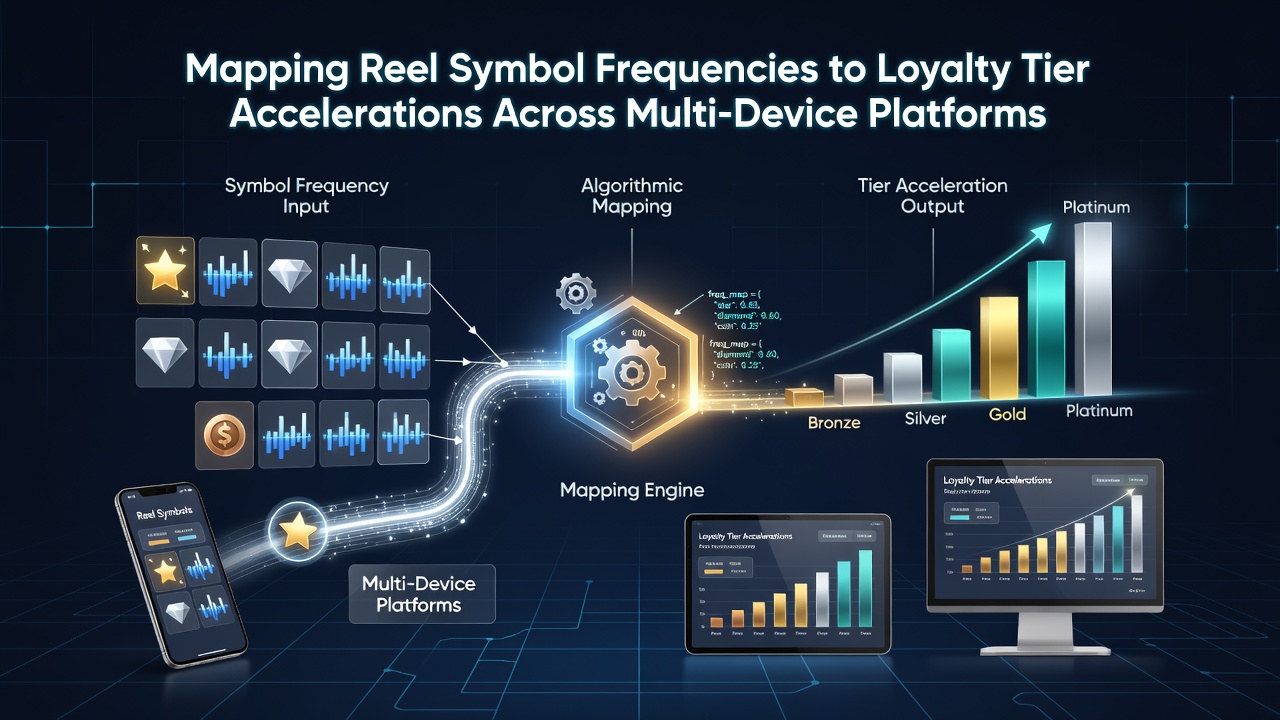
Device fingerprinting combined with symbol outcome logs allows operators to apply device-specific weighting factors. Mobile sessions, for instance, often feature shorter average spin durations, so platforms increase the loyalty credit per qualifying symbol to compensate. Tablet play tends to show longer dwell times, prompting a more measured acceleration curve that prevents premature tier jumps. These adjustments keep progression rates equitable across hardware while preserving the underlying frequency data integrity.
Implementation Patterns Observed in 2026
By July 2026 several major platforms had deployed updated mapping engines that incorporate machine learning models trained on twelve months of cross-device symbol data. These models predict which frequency thresholds will produce stable tier movement for different player segments, then apply the predictions automatically. One documented case involved a progressive jackpot title where scatter symbol frequencies above 1.8 percent triggered accelerated VIP point accrual on all three major device classes, resulting in measurable increases in session frequency without altering base game mathematics.
Integration extends to live monitoring dashboards used by operators to verify that frequency-to-tier mappings remain balanced. When mobile data streams reveal a temporary deviation caused by network latency, the system applies corrective weighting so that desktop and tablet progressions do not diverge. Figures released by iGaming Ontario confirm that such real-time corrections maintained tier advancement parity within a 1.5 percent variance across device types during the first half of 2026.
Technical Considerations for Frequency Mapping
Developers structure the mapping process in layered stages. Raw symbol outcome data passes through normalization filters that account for device resolution and input method, then enters the loyalty calculation module. Each tier threshold contains multiple frequency bands, allowing granular acceleration when several symbol types hit simultaneously. Analysts at the Malta Gaming Authority have recorded that multi-band configurations produce smoother tier curves than single-threshold models, particularly when players switch devices mid-session.
Security protocols encrypt both frequency logs and loyalty state changes to prevent tampering. Audit trails capture every mapping decision so that regulatory reviews can trace how a specific symbol frequency translated into tier movement on any given device. This traceability supports compliance requirements while enabling operators to refine algorithms based on aggregated, anonymized datasets.
Conclusion
Mapping reel symbol frequencies to loyalty tier accelerations requires precise coordination between game mathematics, device telemetry, and centralized player accounts. Platforms that maintain consistent mappings across desktop, tablet, and mobile environments achieve more uniform progression experiences, supported by data from regulatory bodies and academic studies. Continued refinement of these systems through 2026 demonstrates ongoing attention to equitable tier mechanics regardless of access point.