20 Jul 2026
Interweaving Payment Preferences with Promotion Unlocks Across Slot Machines and Live Tables for Sustained Engagement Paths
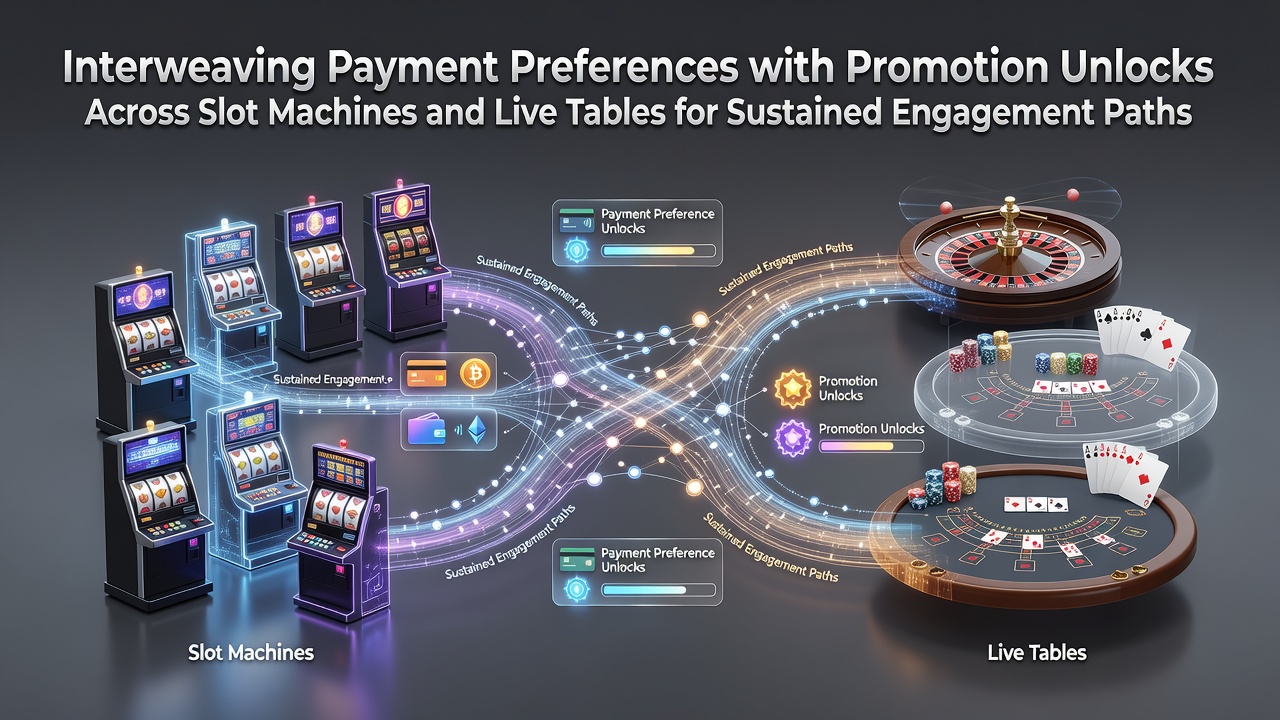 Payment systems in modern casinos now connect directly to promotion systems so that choices made at deposit stages determine which rewards activate across both slot machines and live dealer tables. Operators design these connections to create continuous play sequences where an initial funding method opens bonus tiers that carry over from reels to card tables and back again. Data from industry reports indicate that integrated pathways increase session lengths by linking specific payment instruments to tiered unlocks that apply in multiple game categories. Operators track payment preferences because certain methods trigger immediate bonus credits while others require additional verification steps before promotions release. E-wallet deposits often activate free spin allocations on slots that later convert into table game credits once a player reaches live dealer sections. Credit card transactions meanwhile may unlock deposit match percentages that extend to blackjack or roulette sessions provided the player maintains activity across both formats. These mechanics rely on backend systems that monitor transaction types and apply rules automatically without requiring separate claims.
Mechanics Linking Deposits to Cross-Game Unlocks
Systems record each deposit method and assign unlock conditions based on predefined parameters. A player selecting bank transfer might receive a progressive jackpot contribution boost on slots that simultaneously qualifies them for live table rake rebates after meeting a minimum number of hands. Research from the University of Nevada Reno Gaming Research Center shows that such conditional unlocks encourage transitions between game types because rewards earned in one area remain valid when players shift formats. Figures reveal that players who move between slots and tables within the same session complete more promotion requirements than those who remain in a single category.
Live table promotions frequently reference slot activity completed earlier in the same account history. A deposit made through cryptocurrency can generate multiplier tokens usable on both progressive slot wheels and side bets at poker tables. Operators update these rules periodically with July 2026 marking the introduction of synchronized ledgers across several major platforms that allow real-time tracking of payment-linked rewards regardless of game selection. This synchronization reduces delays between earning and redeeming bonuses while maintaining separate tracking for regulatory compliance in multiple jurisdictions.
Examples of Sustained Engagement Sequences
One documented sequence begins with a debit card deposit that unlocks an initial slot bonus round. Completion of that round generates loyalty points redeemable as live table insurance bets. Observers note that this pattern appears frequently in platforms where payment verification occurs instantly because faster confirmation allows immediate movement to the next game type without interruption. Another path starts with an e-wallet deposit tied to a live dealer tournament entry that later awards slot free spins once table results reach a threshold. These sequences rely on unified player accounts that store both payment history and game activity in a single profile.
Technical Integration Across Platforms
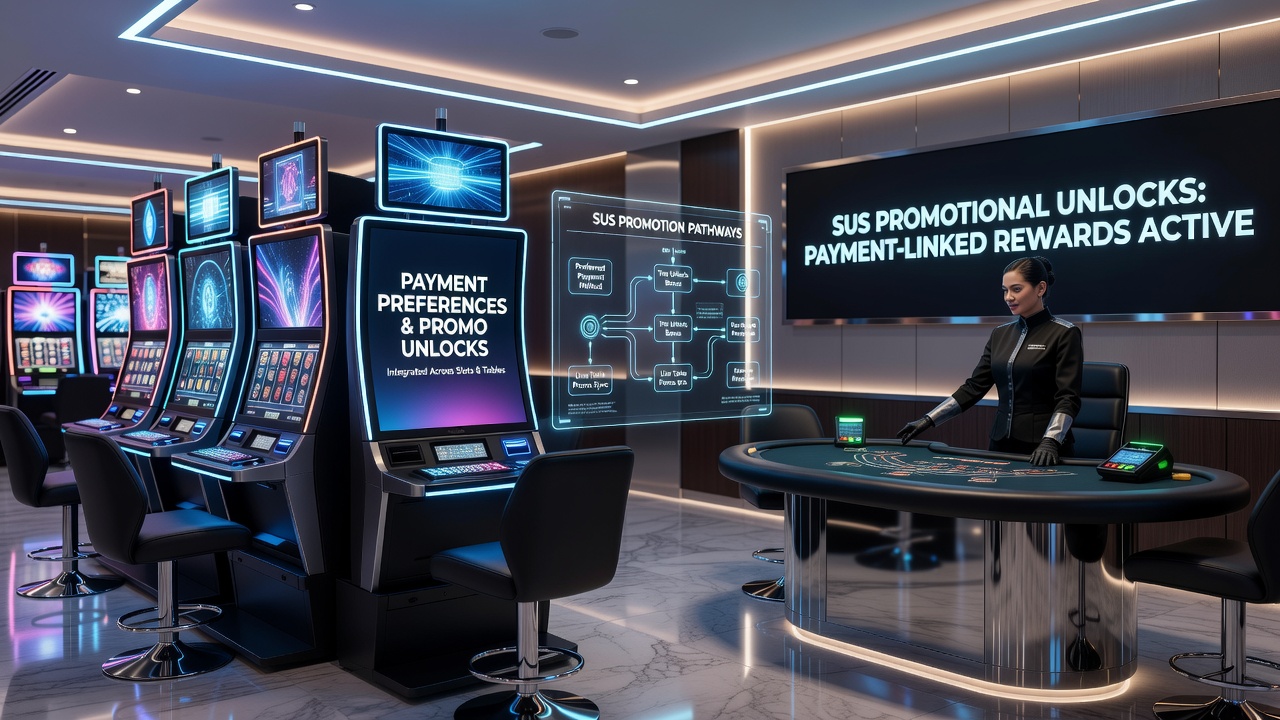
Backend software connects payment gateways to promotion engines through application programming interfaces that update player status after each transaction. When a deposit clears the system checks predefined rules and applies relevant unlocks across game servers. Slot machines receive signals for free spin credits while live table interfaces display adjusted betting limits or rebate percentages. Industry associations such as the European Gaming and Amusement Association document that platforms using these integrated APIs report higher retention rates during promotional periods because players encounter fewer barriers when switching between game formats. The same systems log activity to ensure compliance with responsible gaming limits that apply uniformly regardless of payment method chosen.
July 2026 brought expanded testing of multi-currency payment options that automatically convert unlocks across regions. Players depositing in one currency can access promotions that function identically on both slot and live table modules even when servers operate in different regulatory environments. This development builds on earlier single-currency models and allows operators to maintain consistent engagement paths while adapting to local requirements in each market.
Conclusion
Payment preferences now function as entry points that determine the structure of promotion unlocks available across slot machines and live tables. The resulting pathways rely on automated systems that track transactions and apply rewards consistently whether players remain on reels or transition to dealer tables. Evidence from regulatory filings and academic studies demonstrates measurable effects on session continuity when these connections operate without manual intervention. As platforms continue refining these integrations the core mechanism remains the same: each payment choice sets conditions that shape available rewards across multiple game categories for the duration of player activity.